
How I Found Out Which Appliance Was Quietly Running Up My Electricity Bill
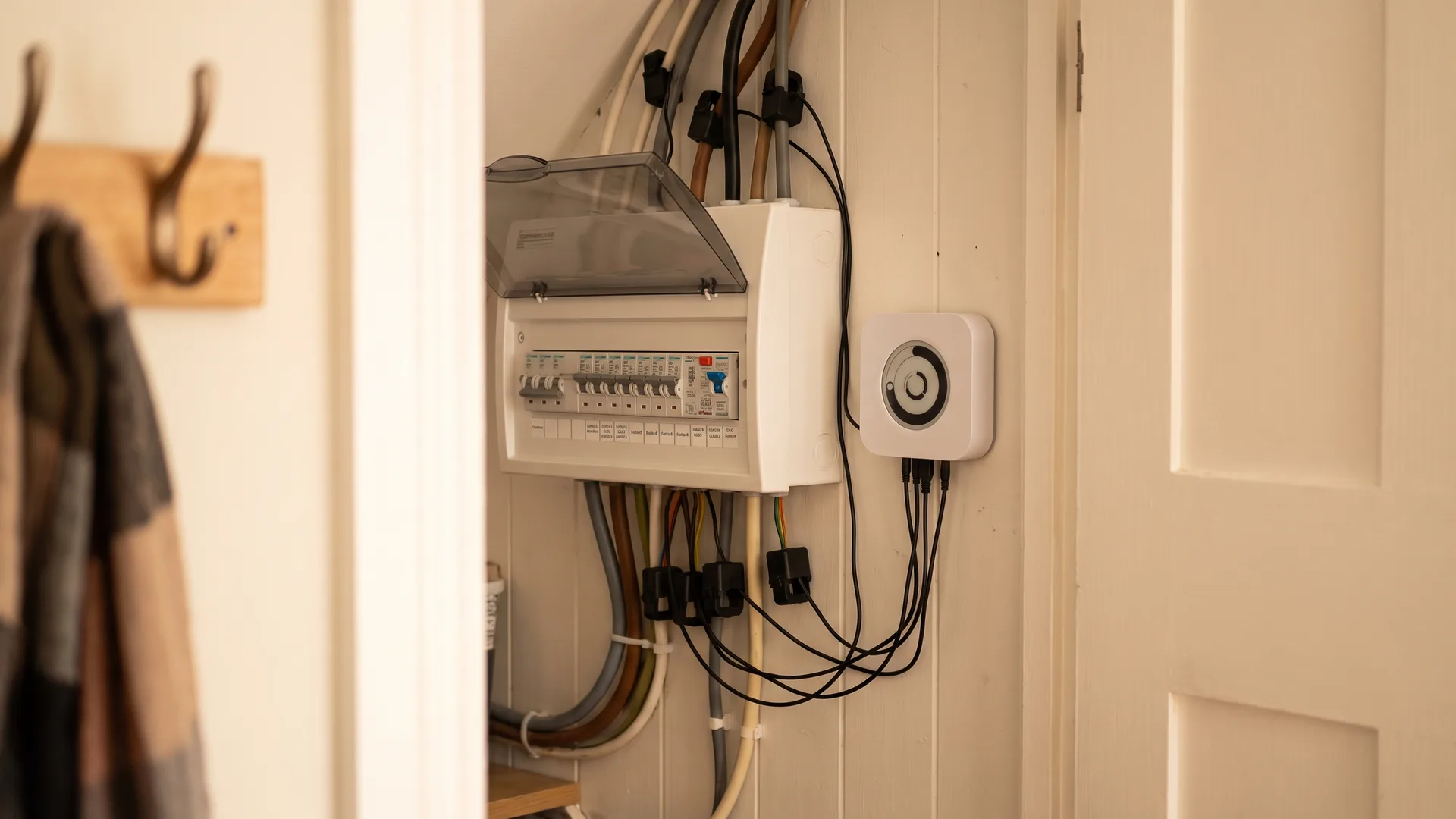
Let's be honest: opening an electricity bill right now is not a pleasant experience. What makes it worse is that the number tells you nothing. You know what you paid. You have no idea what you paid it for.
For two years I assumed it was the heating, and I was wrong.
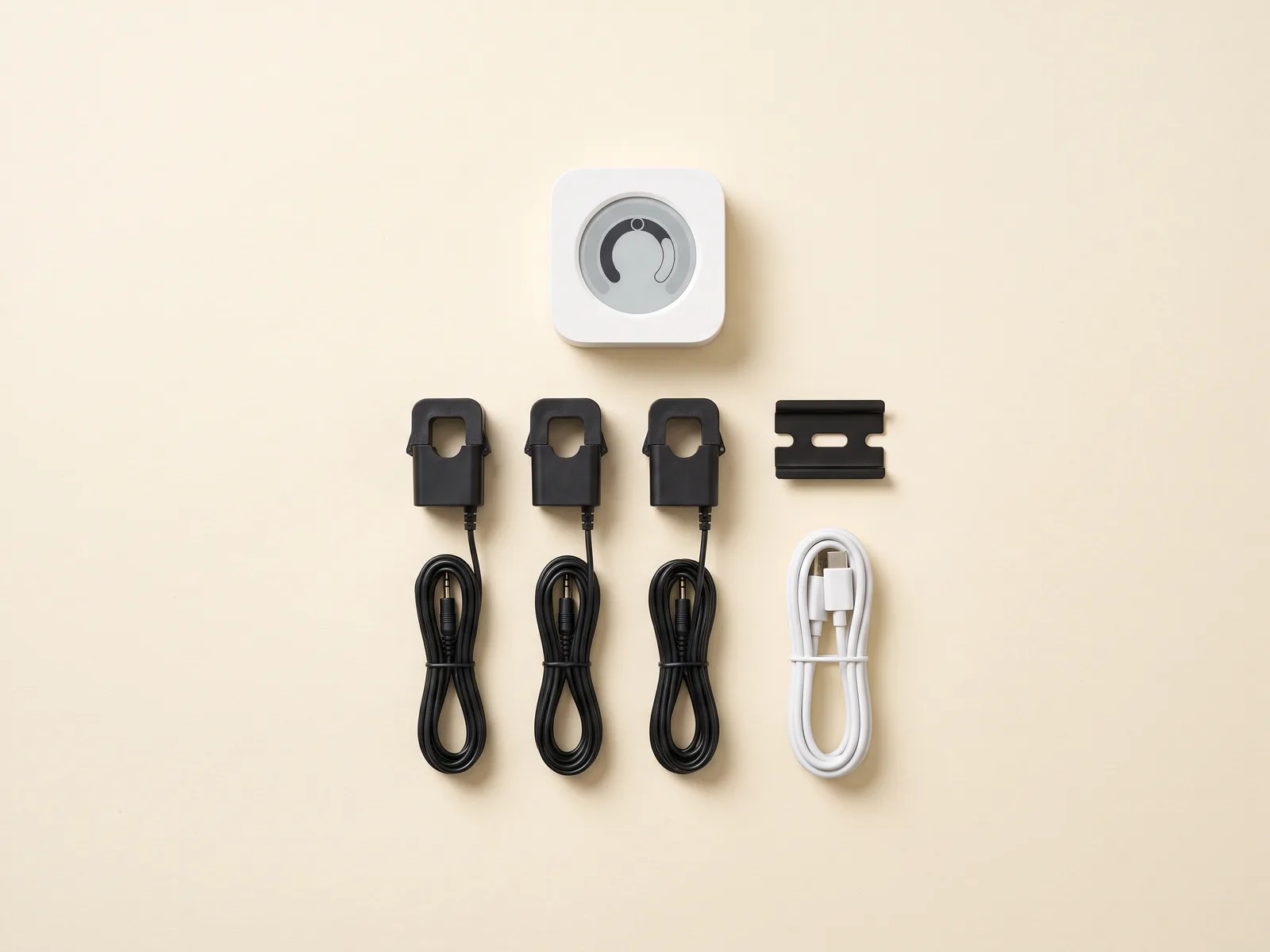
Northvane Circuit Monitor Kit
Turn one electricity bill into a live reading per circuit. Clamps around your existing cables in about twenty minutes, with nothing cut and nothing rewired.
Save £80 on the six channel kit
60 day returns, plus a free extra sensor clamp
The Problem: A Smart Meter Shows You The Total, Not The Cause
I already had a smart meter, so I thought I was covered. But a smart meter measures the whole house as one number. It can tell you what the whole house used yesterday. It cannot tell you that most of it went to one appliance.
Knowing the total without the breakdown is the same as getting a bank statement with one line on it. You cannot act on it.
The Monitoring Dilemma
The real answer is per-circuit monitoring. Commercial buildings have done it for decades. But the domestic versions were either a plug-in socket adaptor, which only tells you about the one thing plugged into it, or a full installed system that needs an electrician and a rewire.
I wanted something that saw the whole board, without anyone taking my consumer unit apart.
The Solution: The Northvane Circuit Monitor
That is when I came across the Northvane Circuit Monitor.
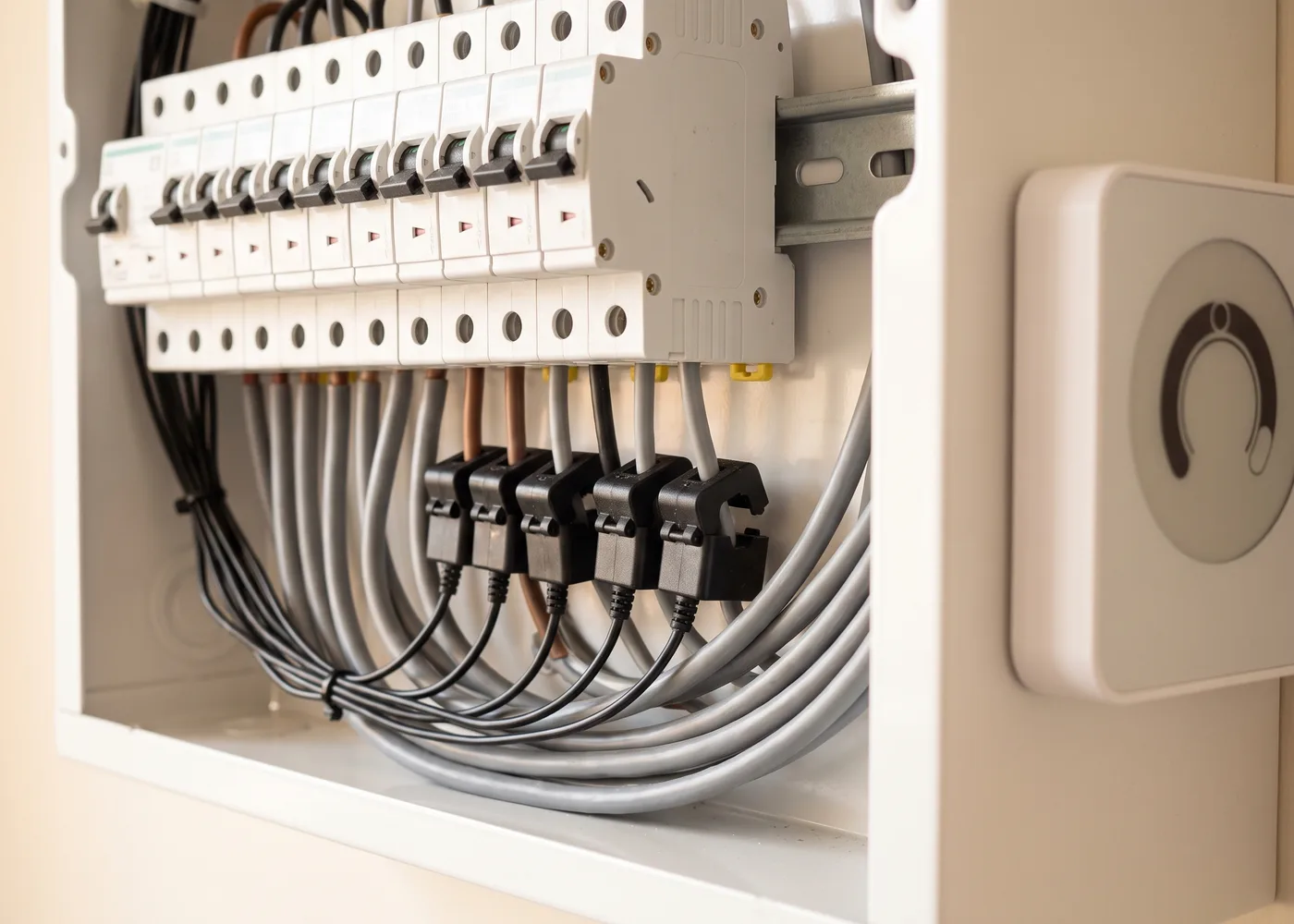
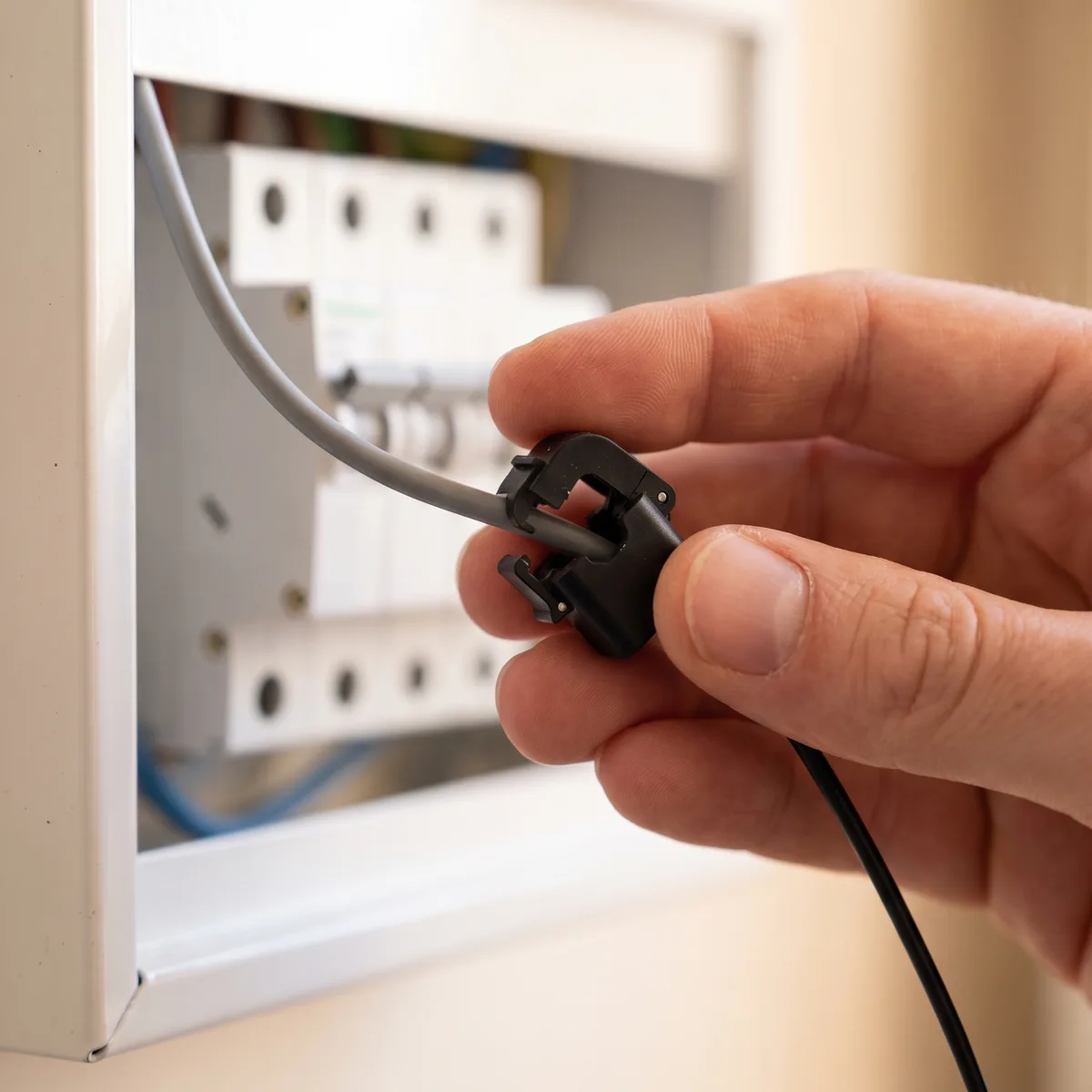
It is a set of clamp-on sensors that sit around the existing cables in your consumer unit. Nothing is cut, nothing is rewired, and each circuit gets its own live reading on your phone. It turns one number into a reading for every circuit.
Fitted In About Twenty Minutes
Fitting it is genuinely straightforward, and the sensors never touch a live conductor:
 1
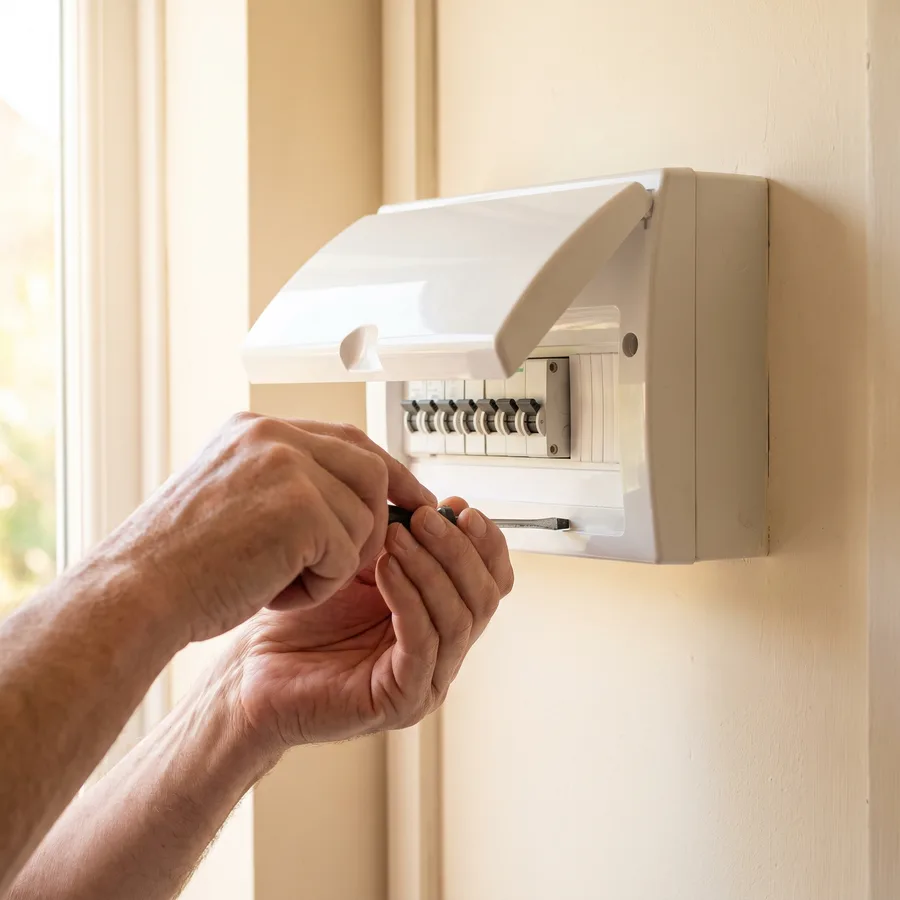
1Open the consumer unit cover.
 2
2Clip one sensor around each circuit you care about.
 3
3Pair the hub and watch the breakdown appear.
Within an hour you have a live reading per circuit. Mine showed an immersion heater running on a timer nobody had touched since we moved in.
Why it earned its place on the board:
- No rewiring: The sensors clamp around existing cables. Nothing is cut and nothing is disconnected.
- Per-circuit, not per-plug: You see the whole board, including the circuits you cannot plug an adaptor into.
- One find is enough: Spotting a single always-on load is the kind of thing that makes the kit worth fitting.
What It Actually Finds
Once it was running I stopped guessing. The things it surfaced were not the things I expected:
Heating that runs when nobody asked it to
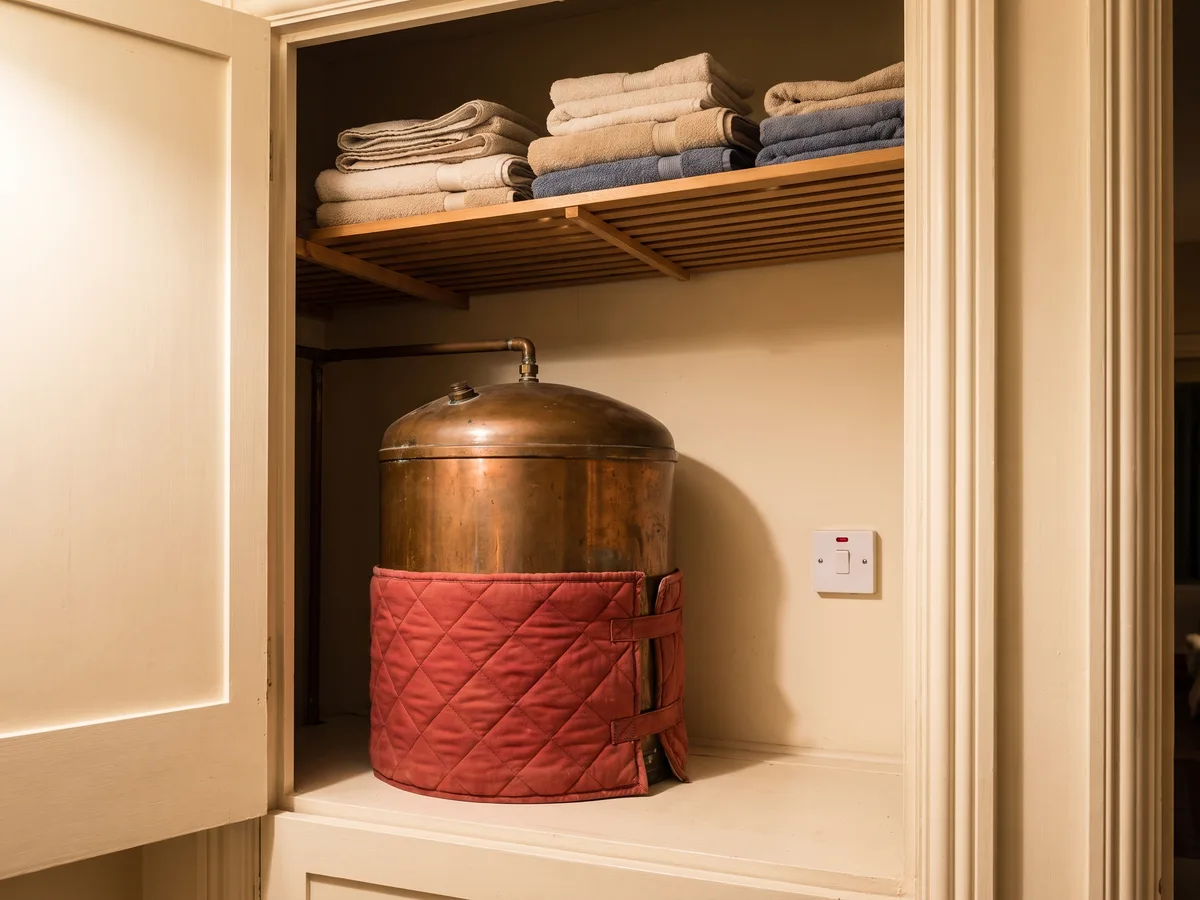
Immersion heaters, towel rails and underfloor loops left on timers set by a previous owner. It is a common find, and an expensive one to leave running.

Appliances that are working harder than they should
A tumble dryer with a blocked vent, or a washing machine element on its way out, is not obviously broken. It just runs longer and draws more, and the only visible symptom is the bill.

Standby draw you were told was negligible
Individually it is pennies. Across a house full of chargers, set-top boxes and an office that never fully powers down, it is a constant load running every hour of the year.
Stop Guessing At Your Own Bill
If you are tired of paying a number you cannot explain, this is the cheapest way to find out where it goes. You only need to find one thing for it to have been worth doing.
There is a 60 day return window, so trying it costs you nothing but twenty minutes.